Light Variations
Daylight duration shifts throughout the year, influencing sleep patterns, energy levels, and overall daily rhythms. Your body naturally responds to these light changes.
Your body has remarkable ways of adjusting to environmental shifts. Explore how natural rhythms influence your daily experience and discover mindful approaches to seasonal transitions.
Every living organism responds to environmental changes. Understanding these natural processes can help you move through seasons with greater awareness.
Daylight duration shifts throughout the year, influencing sleep patterns, energy levels, and overall daily rhythms. Your body naturally responds to these light changes.
As temperatures rise and fall, your body adjusts its thermoregulation processes. This gradual adaptation occurs naturally over days and weeks.
Humidity, air pressure, and air quality vary with seasons and weather patterns. These factors can subtly influence how you feel day to day.
Circadian rhythms govern many bodily processes, from sleep-wake cycles to hormone production. Seasonal changes in daylight naturally influence these internal patterns, and awareness of this connection can support smoother transitions.
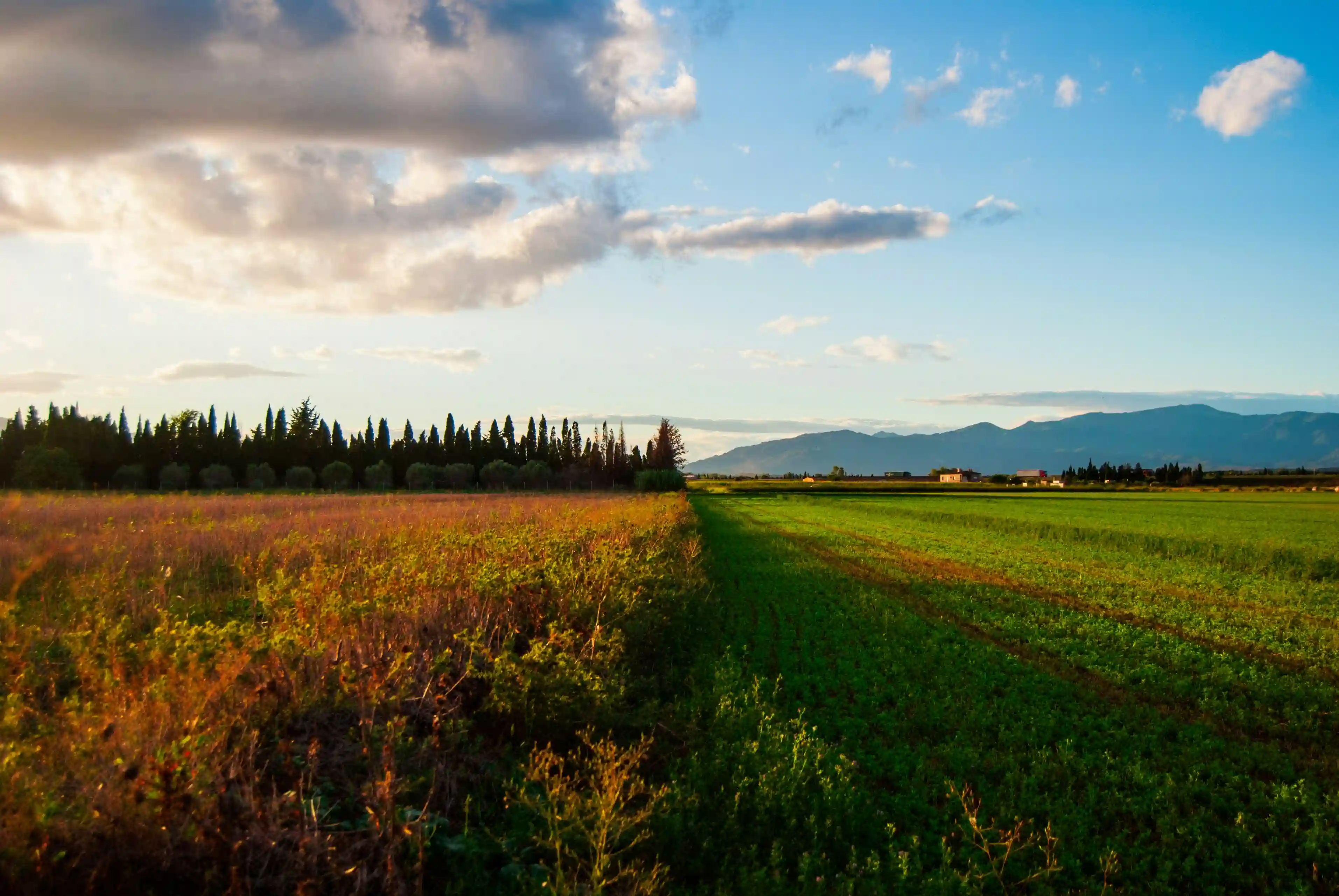
Simple awareness practices can support your body's natural adaptation process during seasonal shifts.
Notice how your sleep needs may vary with seasons. Some people naturally require more rest during certain times of year.
Seasonal foods often align with what your body may need during that time. Fresh produce availability naturally guides dietary patterns.
Physical activity levels may naturally shift with seasons. Listen to your body and adjust your movement patterns accordingly.
Water needs can vary with temperature and humidity. Staying aware of your hydration throughout changing conditions supports overall comfort.
Each season brings unique environmental characteristics that influence your daily experience.
Increasing daylight and warming temperatures signal a period of renewed energy and activity for many people.
Long days and warm weather often correspond with higher energy levels and increased outdoor engagement.
Shortening days and cooling temperatures invite a natural slowing and preparation for the quieter months ahead.
Shorter days and colder weather encourage periods of rest and indoor reflection, a natural part of the yearly cycle.
Your body communicates through subtle signals that may change with seasons and weather. Developing awareness of these signals can help you respond thoughtfully to environmental shifts.

Explore our comprehensive guides on seasonal transitions and discover how to work with your body's natural rhythms.
Get in Touch